
Public Proof Works Only When It Is Real
Customer reviews can strengthen a website because they give prospects another perspective on the experience a business provides. That trust disappears when testimonials are invented, attributed to fictional customers, edited until the meaning changes, or paired with performance numbers the business cannot document.
A credible proof system starts with genuine feedback from actual customers. Save the original source, record when it was collected, confirm how it may be used, and preserve the customer’s meaning. The FTC’s review resources explain that reviews and testimonials must not mislead consumers.

What Credible Website Proof Includes
Accurate Attribution
Use a real name, initials, job title, or business name only with appropriate permission. If anonymity is necessary, say so rather than inventing an identity.
A Traceable Source
Keep the original review or customer approval. Confirm that use of platform content follows current terms.
Context for Results
Metrics need a starting point, ending point, timeframe, method, and evidence. A precise claim is useful only when it can be verified.
Clear Disclosures
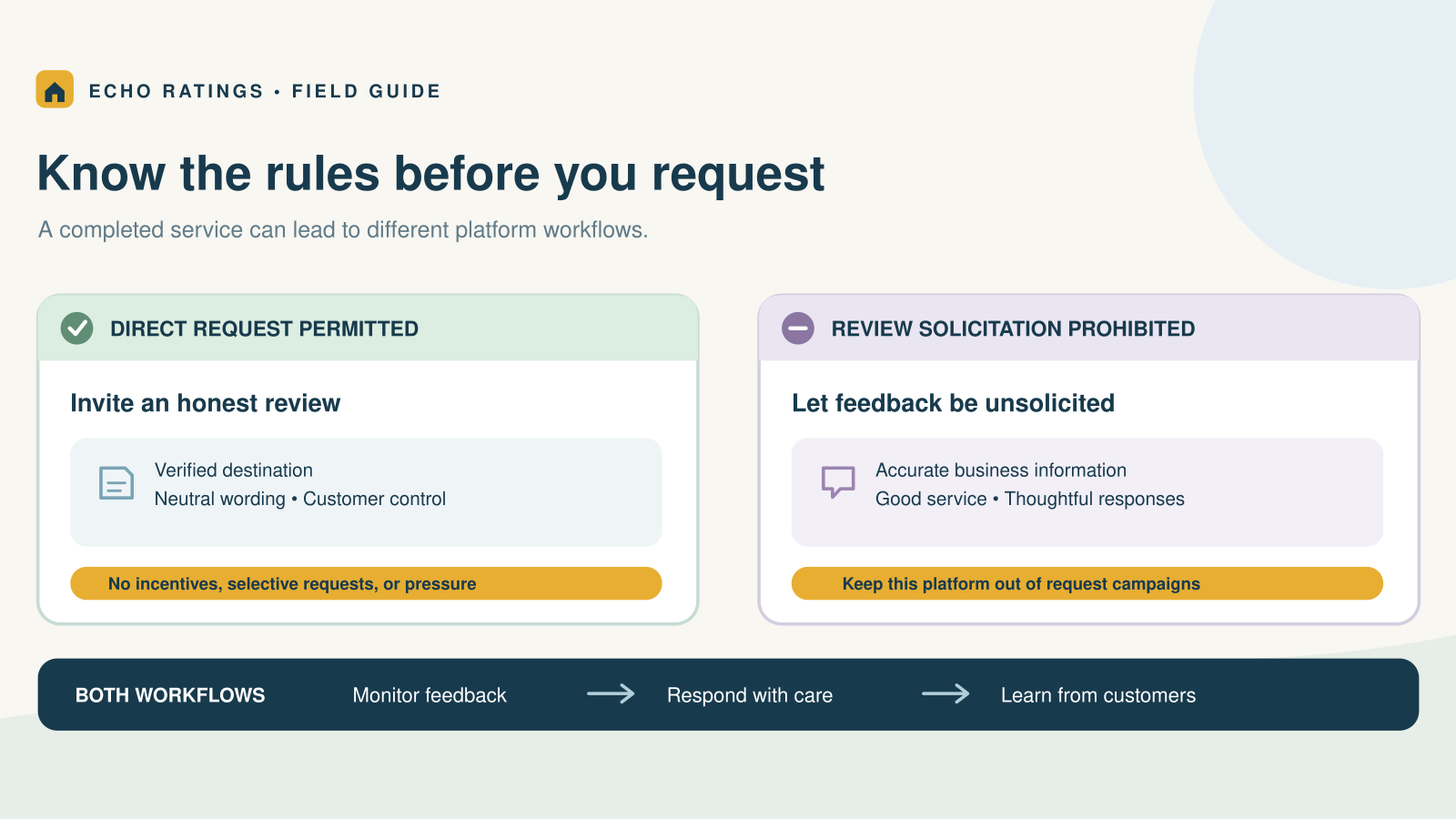
Disclose incentives or material relationships clearly. Never condition compensation on positive sentiment.
Build Proof in Layers
- Show recent verified reviews using accurate excerpts.
- Explain how customers are invited to leave honest feedback.
- Publish a customer case study only when evidence and approval exist.
- Label hypothetical workflows as illustrative examples.
- Remove outdated claims, badges, metrics, and untraceable testimonials.
The FTC’s Consumer Reviews and Testimonials Rule Q&A provides detail about incentives, suppression, and misleading presentation.
A Case-Study Evidence Checklist
- Written customer approval
- A real customer or clearly disclosed anonymity
- Original review, email, or interview notes
- A documented baseline and measurement period
- A source for every numerical claim
- No claim that one result is typical without supporting evidence
- A review date for future updates
Without this evidence, publish an educational use case instead of a customer success story.
Explore the Echo Ratings product or begin with a free reputation audit. This article is general information, not legal advice.